Fall Prevention for Seniors: 10 Ways to Make the Home Safer
Senior Care, Home Safety, Fall Prevention
10 Ways to Make Home Safer for an Older Adult This Fall
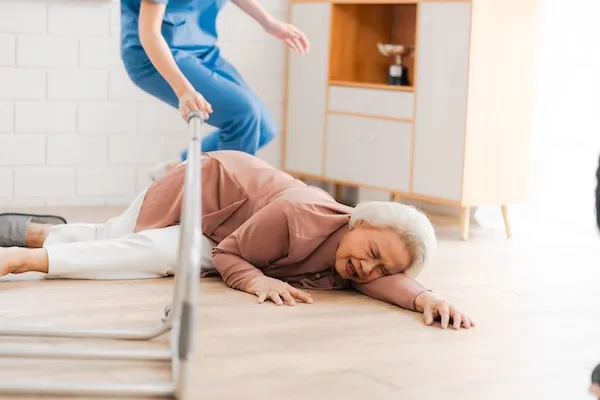
A loose rug. A dim hallway. One slippery step getting out of the shower.
Sometimes, the things that make a home feel familiar are the same things that can make it harder for an older adult to move around safely.
If you're helping an aging parent remain independent, fall prevention is worth taking seriously. A fall can lead to injuries, hospitalization, and a difficult recovery. The good news? Reviewing the home and addressing potential hazards can help reduce some risks.
You don't need to renovate the entire house to get started. You need to know what to look for.
Here are 10 ways to make a home safer for an older adult this fall—and throughout the year.
⚠️ Clinical Note: No home modification can remove all fall risk. Home changes work best when combined with medical care, vision checks, strength and balance exercises, and safe medication management.
Here are 10 ways to make a home safer for an older adult this fall—and throughout the year.
1. Make the Bathroom Safer
Bathrooms deserve special attention because water can make surfaces slippery, and everyday activities often require standing, bending, or stepping over obstacles. National safety guidelines consistently highlight bathrooms as high-risk areas for falls and fractures in older adults. Even a short loss of balance stepping into a tub can result in significant injury, especially for someone with osteoporosis or limited strength.
Start by checking the shower, bathtub, and area around the toilet. Consider:
Installing properly secured grab bars near the toilet and shower—not suction-only bars, which can fail unexpectedly.
Using nonslip strips or mats designed for wet surfaces inside and just outside the tub or shower.
Keeping frequently used toiletries within easy reach to avoid bending, twisting, or reaching overhead while standing on a wet surface.
Improving lighting for nighttime bathroom trips, such as motion-activated night-lights or illuminated switches.
Cedarwell tip: If your parent is holding onto towel racks, shower doors, or nearby furniture for support, don't assume those items are safe substitutes for properly installed grab bars. Ask a qualified professional—such as an occupational therapist or licensed contractor experienced in accessibility—for appropriate bathroom safety modifications.
2. Check Stairs and Handrails
Stairs can become more challenging when someone experiences changes in strength, balance, vision, or mobility. Even a few steps at an entryway can pose a problem if handrails are loose or missing. Research shows that using handrails significantly reduces the risk of falls on stairs, but only when those rails are sturdy and easy to grasp.
Walk through the home and check whether stairways have secure handrails on both sides, where possible.
Look for loose steps, damaged flooring, and objects left on the stairs, such as baskets or folded laundry.
Make sure the top and bottom of the staircase are well lit and that light switches are easy to reach.
If your parent struggles with stairs, talk with them about how frequently they need to use them. Depending on the home and their needs, relocating essential activities to one floor, adding adaptive equipment, or consulting an occupational therapist may be worth considering.
3. Improve Bedroom Safety
Getting out of bed in the middle of the night can be risky when someone is sleepy, lightheaded, or cannot see clearly. Many falls happen on the way to or from the bathroom, particularly when blood pressure drops upon standing or when medications cause dizziness or drowsiness.
Make the bedroom easier to navigate by:
Keeping a lamp or light switch within reach of the bed so your parent never has to walk in the dark.
Adding a night-light along the route to the bathroom or using low-level floor lighting to define the path.
Keeping a charged phone nearby in case they need help and cannot safely get up.
Removing objects from the path between the bed and the doorway, including cords, piles of clothing, or small furniture.
Making sure the bed is at a comfortable height for getting in and out—too high or too low can both increase fall risk.
The goal is simple: your parent should be able to see where they're going and reach essential items without stretching, twisting, or walking around obstacles.

Thoughtful bedroom changes can significantly reduce nighttime fall risk for older adults.
4. Improve Lighting Throughout the Home
Poor lighting can make it harder to notice steps, changes in flooring, pets, or objects in a walkway. As we age, our eyes typically need more light to see clearly, and it can take longer to adjust when moving from bright to dim areas. This makes consistent, adequate lighting a key part of fall prevention.
Check hallways, entrances, staircases, bathrooms, and frequently used living spaces for dark corners or shadowed steps.
Replace burned-out bulbs, add lamps or overhead lights where needed, and consider motion-activated lights for areas your parent uses at night.
Don’t forget outdoor lighting near the front door, garage, and any regular entry points.
A home can look perfectly fine during the day and become much harder to navigate after dark, especially for someone with vision changes such as cataracts, glaucoma, or macular degeneration.
5. Remove Loose Rugs and Secure Flooring
That decorative rug in the hallway may look harmless, but loose rugs and curled edges can create tripping hazards. Many older adults I work with can recall “just catching a toe” on a rug or threshold before a fall. These small, preventable hazards are worth addressing early.
Walk through the home and look for:
Small throw rugs that slide easily when stepped on.
Carpet edges that are lifting or fraying, especially near doorways or stairs.
Floor mats that bunch up or fold over, particularly near sinks and entry doors.
Uneven flooring or damaged transitions between rooms.
Removing loose throw rugs is often a good starting point. If a rug must remain, make sure it is secured appropriately and does not create a raised edge. Also, clean up spills promptly and avoid leaving floors slippery after mopping—wet surfaces combined with socks or smooth soles can be especially dangerous.
6. Clear Clutter and Walking Paths
A crowded hallway can become a problem when someone uses a cane, walker, or other mobility aid. Even without equipment, weaving around piles of items increases the chance of missteps, especially if vision or balance is impaired. Clear, predictable paths are safer and less tiring to navigate.
Keep walking paths clear of shoes, laundry baskets, electrical cords, pet toys, and other everyday objects.
Arrange furniture so there is enough room to move through frequently used areas with a walker or cane if needed.
Keep commonly used items within easy reach to reduce the need for climbing on stools, stretching overhead, or bending repeatedly.
This isn't about keeping a perfect house. It's about making sure your parent can get from one room to another without navigating an obstacle course, especially on days when they feel tired, sore, or unsteady.
7. Inspect Outdoor Walkways and Entrances
Fall prevention doesn't stop at the front door. Many injuries occur while someone is leaving or returning home. Uneven concrete, cracked walkways, loose steps, wet leaves, or snow, combined with poor lighting, can make getting in and out of the home more difficult and more dangerous for an older adult.
Check:
Front and back steps for damage, wobbling, or missing edges.
Walkways for cracks, raised edges, loose gravel, or debris such as leaves and branches.
Porch and garage lighting to ensure safe visibility in the evening and early morning.
Railings and handholds near entrances to support stepping up, down, or over thresholds.
Outdoor surfaces that become slippery when wet or icy and may need treatment or alternative routes during certain seasons.
Address repairs where possible. If the entrance presents a significant mobility challenge, ask a qualified professional about safer access options, such as a properly designed ramp with appropriate handrails and non-slip surfaces.
8. Encourage Safe, Supportive Footwear
Footwear can affect how securely someone walks. Shoes that are too loose, too tight, or worn out can change balance and step length, making slips and trips more likely. For many older adults, simply switching to more supportive shoes can make walking feel more stable and less tiring.
Avoid loose slippers, backless shoes, and walking in socks on smooth floors, which may reduce traction and stability.
Encourage well-fitting shoes with nonslip soles and secure fastenings (such as laces, Velcro, or straps) when appropriate, even indoors if balance is poor.
If your parent has foot pain, bunions, neuropathy, or difficulty finding comfortable shoes, discuss those concerns with a healthcare professional or podiatrist. Small details matter when someone is already feeling unsteady, and addressing foot health can be an important part of fall prevention.
9. Pay Attention to Changes in Mobility or Balance
Home hazards are only part of the picture. A person's health, medications, vision, strength, and balance can also affect their risk of falling. As a clinician, I encourage families to watch for subtle changes—these often appear weeks or months before a serious fall occurs.
Notice whether your parent has started holding onto furniture, walls, or countertops as they walk through the house.
Watch for new difficulty with stairs, getting out of chairs, or stepping into the tub or shower.
Ask if they feel dizzy when standing, have had near-falls, or are avoiding certain activities because they feel unsafe.
⚠️ When to seek medical advice promptly: New or worsening dizziness, frequent stumbling, recent falls, sudden changes in walking, or confusion should be discussed with a healthcare professional as soon as possible or evaluated urgently, depending on severity.
A clinician may recommend a fall-risk assessment, vision evaluation, medication review, or physical or occupational therapy. Don't change prescribed medications without medical guidance. If your parent has fallen recently or feels increasingly unsteady, bring it up rather than waiting for another incident.
10. Make Home-Safety Awareness a Regular Habit
One home-safety walkthrough is helpful. Making safety checks part of your routine is even better. A person’s health, mobility, and routines can change over time, and the home should adapt along with them. What felt safe last year may no longer be the best fit today.
Every few months—and whenever your parent's mobility or health changes—take another look at the home. Ask questions such as:
Has anything become harder to reach, such as kitchen items or clothing?
Are there new obstacles in frequently used walkways, like new furniture or storage boxes?
Is the lighting still adequate, especially at night or in winter months?
Are handrails and grab bars secure and used regularly?
Has my parent started avoiding certain activities because they feel unsafe or unsure?
Include your parent in these conversations. They know their routines and may have concerns they haven't mentioned. The best safety plan is one that respects your parent's independence while addressing the risks that matter most.
Get Your Senior Home Safety & Fall Prevention Checklist
You don't have to remember every detail in this article—or figure everything out on your own. Structured tools can make it easier to walk through the home systematically and capture what you notice in each room.
Cedarwell Health Partners is creating resources to help families ask better questions, recognize potential concerns, and navigate options for support at home. Our Senior Home Safety & Fall Prevention Checklist can help you review common household hazards, room by room, and identify areas that may need attention.
Want the checklist?
Download Here and Scroll down to Resources
Use it as a starting point for a conversation with your parent and, when appropriate, their healthcare professional. Bringing a completed checklist to a medical appointment can help focus the discussion and ensure that home-safety concerns are part of the care plan.
When Is It Time to Explore Additional Support at Home?
Sometimes, making the home safer isn't the only step a family needs to consider. If your parent is struggling with daily activities, recovering from an illness or injury, or having difficulty moving around safely, it may be worth discussing their needs with their healthcare professional. Falls are often a signal that more comprehensive support could be helpful.
Depending on the situation, appropriate support could include physical or occupational therapy, eligible home health services, personal care assistance, or other community resources. These services are not interchangeable, and the right option depends on the person's needs and eligibility. Medicare, for example, covers certain home health services when specific requirements are met; it generally does not cover ongoing personal care or homemaking when those are the only services needed.
At Cedarwell Health Partners, we help patients and families navigate home health agency options, understand the process, and explore available choices. You don't need to wait until a fall happens to start asking questions; in fact, earlier conversations often lead to better, safer plans.
Talk with Cedarwell Health Partners
Concerned about an aging parent and unsure where to start? A brief conversation with a knowledgeable professional can clarify options and help you prioritize next steps—whether that means simple home modifications, a medical evaluation, or exploring home health services.
Call or text Cedarwell Health Partners at (888) 899-6869, or reach out through our website. Let's help you understand the options available as your family works toward safer, more confident living at home.
Cedarwell Health Partners — A clearer way to navigate home health.
Disclaimer: This article is for general educational purposes and does not replace an individualized home-safety assessment or medical advice. No home modification can eliminate every fall risk. Consult an appropriate healthcare or home-safety professional about your loved one's specific needs, and seek urgent care or emergency services when you have immediate safety concerns.
